 Multisport Diagnostics Lab for Children
Multisport Diagnostics Lab for Children
Multisport Diagnostics Lab for Children
AthLEOS helps parents understand a child's sport profile and choose several directions worth trying. It is not about choosing one sport forever, but about a multisport map for first steps.
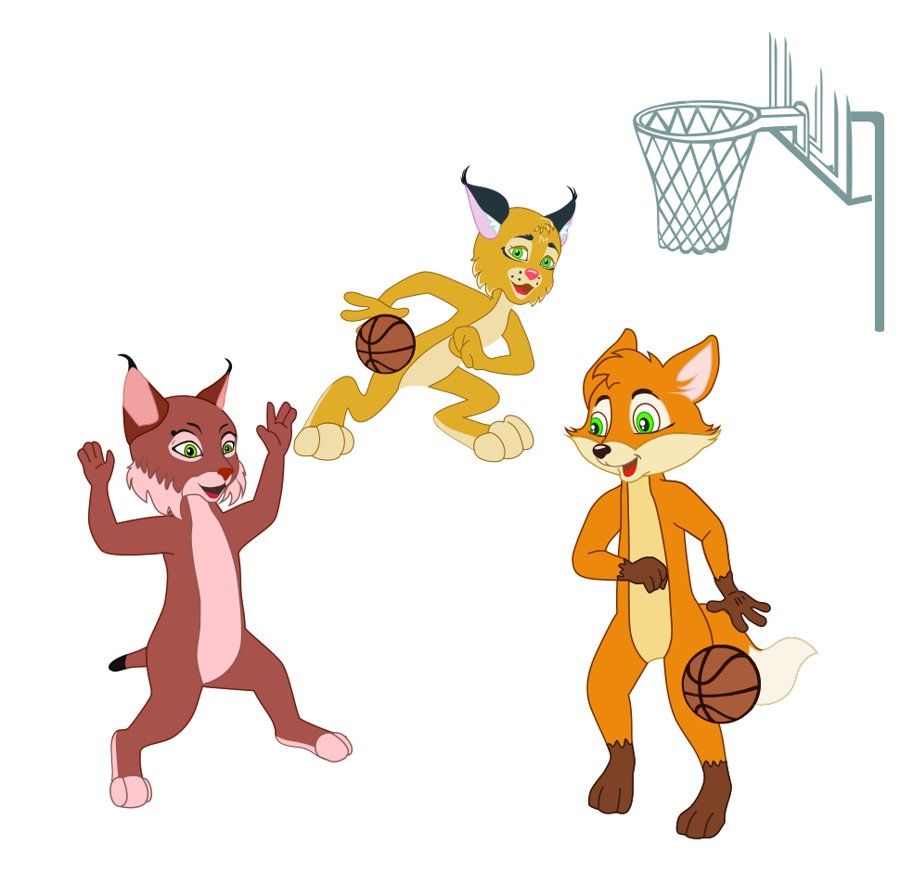
One program helps reveal a child's sport profile: strengths, motivation, group behavior, and 2–3 sport categories worth trying first.
More about the program →The diagnostic is built as short steps: the child chooses pictures, the parent sees a day-by-day schedule, and the family receives a report with directions to try.
No long text: the child chooses what feels closer to their movement, interests, and behavior.
For younger children: one method per day. For older children: a 3-day or 2-day mode.
2–3 directions to try, a child profile, and recommendations on what to observe in the first weeks.
The family receives a clear map: which 2–3 sport directions are worth trying, why they fit, and what to notice during the first sessions.
See a full example report →At ages 6–11, a child's interests and abilities are still developing. That is why AthLEOS offers not a single "right program," but several directions for trials and observation.
Team, coordination, or cyclic sports may reveal different sides of the child.
What matters is not only profile fit, but how the child feels after 2–4 weeks of training.
A repeat diagnostic helps see which interests became stable and which were temporary trials.
AthLEOS helps turn the result into a clear first-trial plan: what to discuss with the child, what to show a coach, and when to return for a repeat check.
The parent sees 2–3 sport categories to try, the child's strengths, and an explanation without a numeric label.
The report helps choose 2–3 calm first directions instead of changing programs blindly.
A child's interests and confidence change. A repeat diagnostic in 6–12 months helps refine the route.
The AthLEOS methodology has been in development for more than 5 years. At its core are seven picture-based diagnostic tools adapted for children aged 6–11. The model is published in an international scientific journal (SportRχiv, 2025) and reviewed by 15 certified coaches in a blind review.
The AthLEOS model was tested as a diagnostic tool: repeat results, expert coach ratings, and matches for the recommended set of 3 categories were compared.
The model is described in a SportRχiv paper: 39 indicators, 4 components, and picture-based tools for children aged 6–11.
Recommendations were compared with independent ratings from 15 certified coaches, without prompting from the authors.
The report does not give a "destiny score": match is shown in words because 85% accuracy is a reliable map, not a guarantee.
A child has tried several programs and quickly lost interest. The diagnostic helps understand whether the issue is the sport, the group format, motivation, or load.
Parents focus on physical ability but overlook temperament, confidence, competition interest, and group behavior.
A coach or school needs to understand a child faster: how they respond to tasks, groups, rules, and new movements.
There are three modes: 4 days for ages 6–7, and either 3 days or 2 days for ages 8–11. The detailed schedule and calendar download are on the diagnostics page.
AthLEOS is currently running as a research program. The diagnostic is free for participants: families receive a report and help validate the at-home online format.
The report includes 2–3 sport categories to try, a 4-component profile, and recommendations for the parent and coach.
No. The report is a map of possibilities, not a verdict or a guarantee of success.
The model's accuracy is 85% — a lot, but not 100%. A numeric score would create an illusion of precision the model doesn't have. That's why we show the match level in words — "high," "good" — rather than a number.
AthLEOS is an active scientific project, not just a product. The model is published and validated through in-person diagnostics in school settings. Moving it into an at-home online format is a new context of use, which we are validating through the research program together with participating families.
First, see how the diagnostic and program work. If the format fits your family, write to us — we will discuss participation and answer your questions.
Discuss participation