 Multisport Diagnostics Lab for Children
Multisport Diagnostics Lab for Children
Multisport Diagnostics Lab for Children
The model integrates 39 diagnostic indicators across four components. No emoji, no marketing clichés — only what is supported by data.
AthLEOS doesn't assign the "one right" program. The lab's job is to show, based on data, 2–3 directions worth trying first and to explain why they fit this particular child.
The model is published in an international scientific journal (SportRχiv, 2025) and validated on a sample of 307 children: 207 in the main group and 100 in an independent one. Recommendations passed a blind expert review by 15 certified coaches. During the research program, the lab team personally discusses diagnostic results with every participating family.
85% accuracy is a lot, but not 100%, which is why the report shows the match level in words ("high," "good") rather than a score that would create an illusion of precision the model doesn't have. The original model was validated in school settings, in person, under researcher supervision, on paper forms. Moving the diagnostic into an at-home online format is a new context of use that itself requires separate validation. That's exactly why AthLEOS is currently running as a research program: every online diagnostic session helps us validate the format itself, not just the model.
A child's basic movements and their confidence in them.
Endurance, strength, speed, agility, coordination, balance, flexibility, reaction.
What keeps a child engaged and where they lose motivation.
Intrinsic/extrinsic motivation, demotivation, risk tolerance, self-regulation, confidence.
How a child behaves in a group and responds to load.
Big Five: extraversion, emotional stability, conscientiousness, openness, agreeableness — plus ethics and cooperation.
How a child understands instructions and completes tasks.
Sensory perception, sport knowledge, analytical thinking, strategic planning, tactical adaptation.
Each cell below is one of the 39 indicators. No single component gives the full picture on its own — the 2–3 categories to try emerge only from all of them combined.
This is exactly the age where the diagnostic gives the cleanest picture — before a child's preferences and habits become fixed.
A child hasn't yet "chosen" a sport in advance, so their reactions to tasks are more genuine. In select cases the diagnostic also applies to children aged 4–5.
Tasks are built on pictures with minimal text — a child completes them independently, even while still learning to read.
The sooner a map of strengths is visible, the more accurately a family picks first trials and the fewer random program switches.
Modular architecture: each tool can be used on its own or as part of a program.
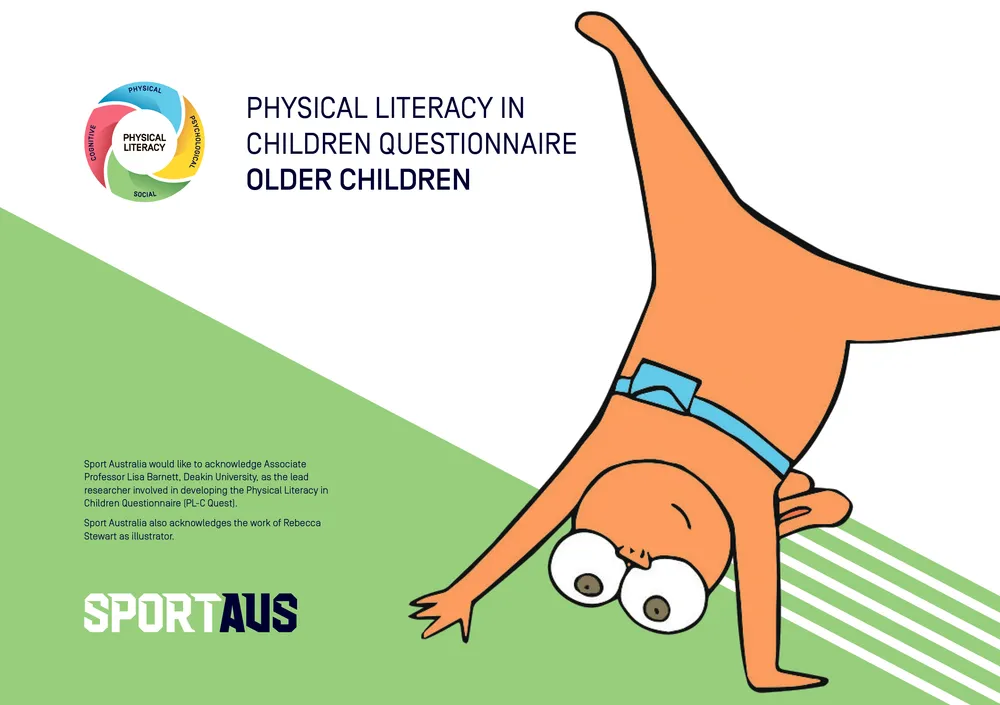
Physical literacy. Basis: Barnett et al., 2022. Licensed from Sport Australia.
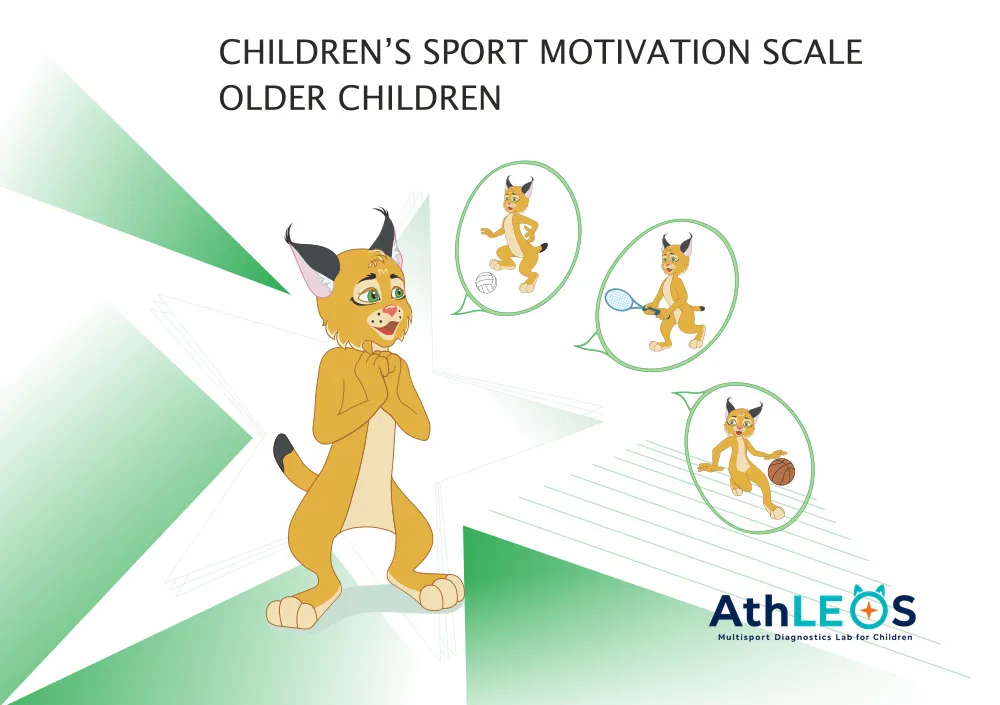
Sport motivation. Basis: EPMDI, Moreno-Murcia, 2021. Authors' adaptation.
Personality traits. Basis: Mackiewicz & Cieciuch, 2016. Authors' adaptation.
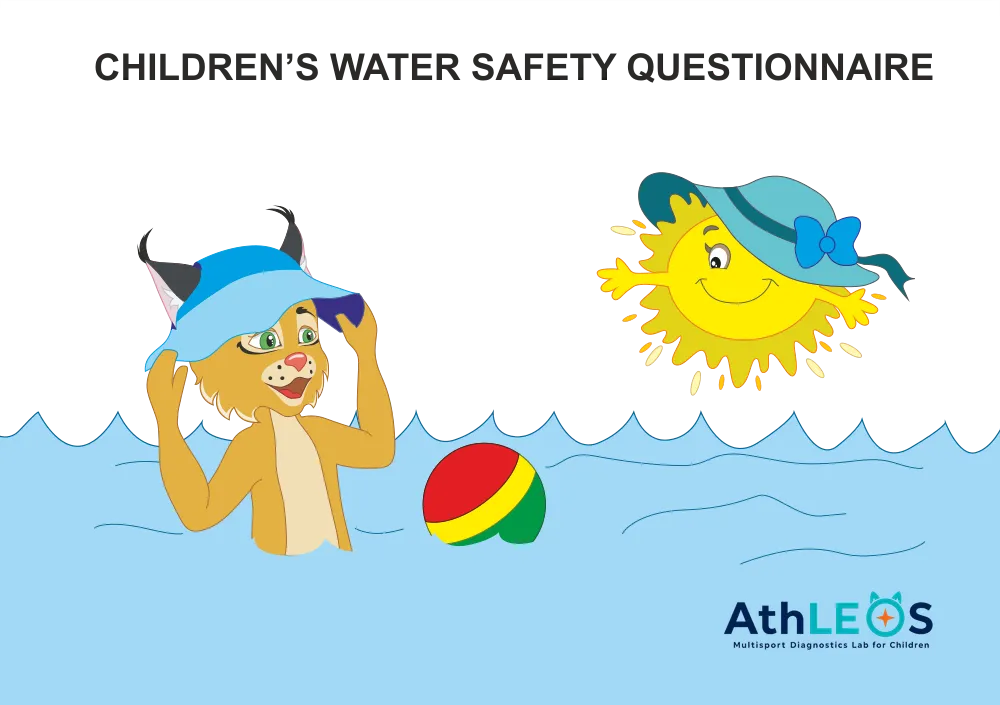
Water safety. Basis: De Martelaer et al., 2022. Original development.
PL-C Quest is used under a Sport Australia licence — for non-commercial use only.
Multisport Diagnostic Model for Sport Self-Determination of Young Children (2025). SportRχiv.